Flood Cleanup Cleveland, Ohio | Water Out Fast, Home Restored Right
Standing water is a health hazard and a structural threat. We extract, dry, and restore flooded properties across Greater Cleveland and all communities within 50 miles.
(216) 803-6030 — Call NowQuick Answer
Flood cleanup in Cleveland, Ohio involves water extraction, structural drying, contamination testing, debris removal, and mold prevention treatment. Category one water from a clean source requires 3 to 5 days. Category three water — sewage or floodwater from the Cuyahoga River or storm drains — requires full hazmat-level cleanup and can take 5 to 10 days.
Cleveland Flooding: What You Are Actually Dealing With
Flooding in the Forest City takes several distinct forms, and the cleanup protocol depends entirely on where the water came from. That is not a technicality — it determines how dangerous the water is, how much has to be removed, and what your insurance will and will not cover.
The Cuyahoga River and Rocky River
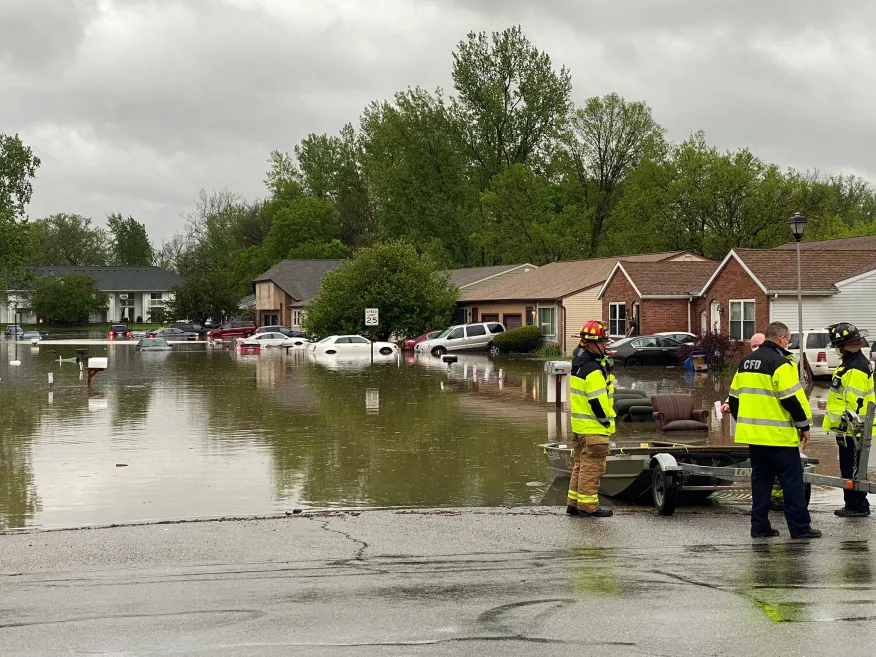
Both the Cuyahoga River corridor and the Rocky River Valley are flood-prone zones where heavy rain events — especially in spring — push water over banks and into low-lying residential and commercial properties. Neighborhoods near the Cuyahoga’s east and west branches, including portions of Valley View, Garfield Heights, and Newburgh Heights, have experienced repeated flooding events. Water from overflowing rivers is category three: it carries bacteria, parasites, and chemical contamination from upstream industrial and agricultural land. This is not water you want anyone near without proper protective equipment.
Storm Sewer Backups
Cleveland’s combined sewer system — which carries both storm runoff and sanitary sewage through the same pipes — is one of the city’s most persistent infrastructure challenges. When large rain events overwhelm the system, raw sewage backs up through basement floor drains and first-floor toilets. The Northeast Ohio Regional Sewer District has invested heavily in improvements, but backup events still affect thousands of Cleveland-area homes in high-rain years. Sewage backups are category three events and require full biohazard cleanup protocols.
Groundwater Intrusion
The clay-heavy glacial soils throughout Cuyahoga and Summit counties do not drain quickly. During rapid snowmelt or sustained rain events, that clay becomes saturated and the water table rises, pushing groundwater through foundation walls and floor cracks. This is category two water — it can carry soil contaminants and mold spores, but is less dangerous than sewage. Still, it requires full extraction, drying, and treatment.
Whatever the source, standing water in your home must come out within hours to prevent mold, structural damage, and contamination of materials that could otherwise be saved. For guidance on flood preparedness and recovery resources, see ready.gov/floods.
See also: Water Damage Restoration Cleveland | Mold Remediation Cleveland
Get Help Now
We dispatch within 60 minutes. Call or fill out the form.
The Flood Cleanup Process
Safety Assessment and Water Source Identification
We identify the water category and assess structural safety before entering. Electrical panels are evaluated, and flooded areas are tested for contamination level to determine the appropriate personal protective equipment and cleanup protocol.
High-Volume Water Extraction
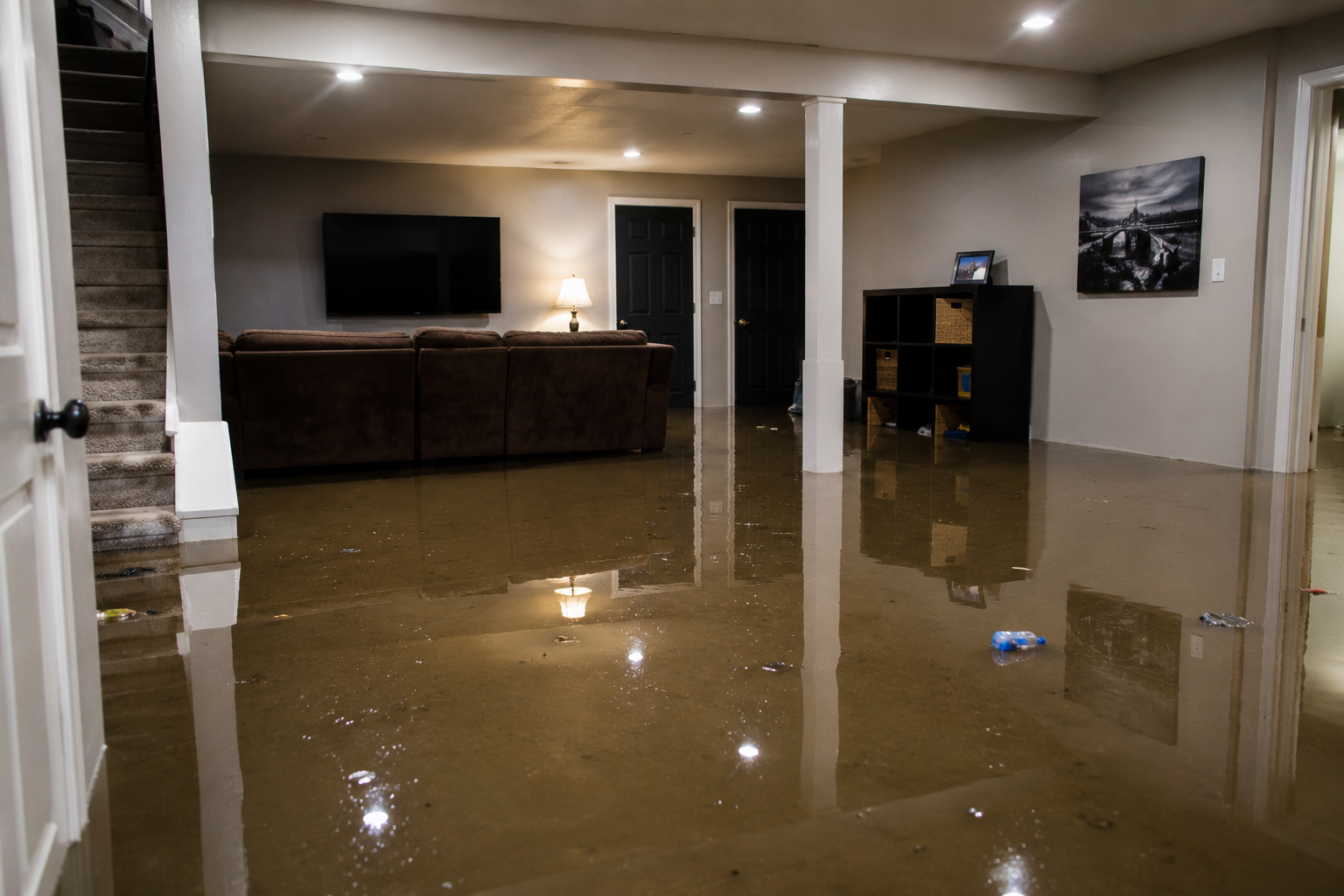
Truck-mounted extractors and submersible pumps remove standing water as fast as possible. We can remove several thousand gallons per hour in a large basement flood event. Every minute of standing water means more saturated building materials and higher total restoration costs.
Contaminated Material Removal
For category two and three events, porous materials that came into contact with contaminated water — carpet, drywall, insulation — are removed and disposed of according to Ohio EPA guidelines. These materials cannot be dried and reused safely once contaminated.
Structural Drying
Industrial dehumidifiers and high-velocity air movers dry framing, concrete, and remaining structural elements. Thermal imaging tracks moisture inside wall cavities and below subfloors throughout the drying phase.
Antimicrobial Treatment
EPA-registered antimicrobial agents are applied to all affected surfaces after drying to prevent mold colonization. This step is especially important in Cleveland’s humid summers, when spore activity is high and residual moisture can lead to rapid mold growth.
Documentation and Insurance Support
Every step is documented with photos, moisture logs, and a detailed scope of work. We coordinate with your insurance adjuster from the initial claim through final payment to make sure the full scope of damage is covered.
Health Risks of Standing Water You Cannot Ignore
Standing water inside a home is not just a building problem. It is a health hazard. Category three water — which includes sewage backups, floodwater from rivers, and storm drain overflow — contains E. coli, hepatitis A, giardia, and a range of other pathogens that can cause serious illness from contact alone. Even category one water from a clean pipe becomes more contaminated with every hour it sits, as it picks up microorganisms from the surfaces it touches.
Beyond contamination, standing water creates the conditions for mold growth within 24 to 48 hours. In Cleveland’s climate, with warm humid summers and damp basements year-round, mold develops faster than national averages suggest. Black mold species such as Stachybotrys chartarum can establish colonies in saturated drywall within 72 hours under the right conditions.
Do not enter flooded areas without appropriate protection. Keep children and pets out. Turn off electricity to affected areas at the breaker panel if it is safe to do so. Then call (216) 803-6030 immediately.
Our technicians are trained in proper personal protective protocols for all water categories. We handle contaminated water situations safely and document everything required for your insurance claim.
Flood Cleanup Service Area — Cleveland and 50 Miles Out
We respond to flood events across all communities in our service area, day or night.
Frequently Asked Questions About Flood Cleanup
It depends on the source of the water. Sudden internal water events — burst pipes, appliance failures — are typically covered under a standard Ohio homeowners policy. Groundwater intrusion and rising floodwater from outside the home usually require a separate flood insurance policy through FEMA’s National Flood Insurance Program. Sewage backup coverage is available as an add-on rider. We can help you understand what is and is not covered and document the loss properly for your claim.
Not without proper precautions. Electrical hazards are the first concern — water and live electricity are a fatal combination. Structural issues are the second — flood events can undermine foundation walls or saturate floors to the point of instability. And if the water is from a sewage backup or river flooding, it carries pathogens. Wait for our technicians to assess the space and confirm it is safe to enter.
Sewage cleanup requires full category three protocols. Our technicians wear appropriate PPE, extract the water and solid waste, remove all porous materials that came into contact with the sewage, treat all surfaces with EPA-registered disinfectants, dry the structure, and test the area before clearance. No shortcuts are taken on sewage events — health is the priority.
Category one jobs typically take 3 to 5 days. Category three events — sewage and river flooding — take 5 to 10 days or longer depending on scope. Large commercial spaces or multi-level flooding can extend timelines further. We give you an honest estimate on day one after assessing the full scope.
Tell Us What Happened
Fill out the form and we will call you back within 15 minutes.